What Energy Independence Really Means for Tennessee Homeowners
For many homeowners across Tennessee, electricity has long been something you didn’t have to think about. Power was relatively affordable, outages were infrequent, and the grid felt dependable.
That reality is changing.
Rising energy demand, increasing electric rates, and growing concerns about grid reliability are pushing Tennessee homeowners to ask a new question:
What does energy independence really mean — and is it achievable in Tennessee?
Energy Independence Doesn’t Mean Going Off-Grid
A common misconception is that energy independence requires disconnecting entirely from the electric grid. In reality, most energy-independent homes in Tennessee remain grid-connected — they’re just no longer fully dependent on it.
For homeowners, energy independence means:
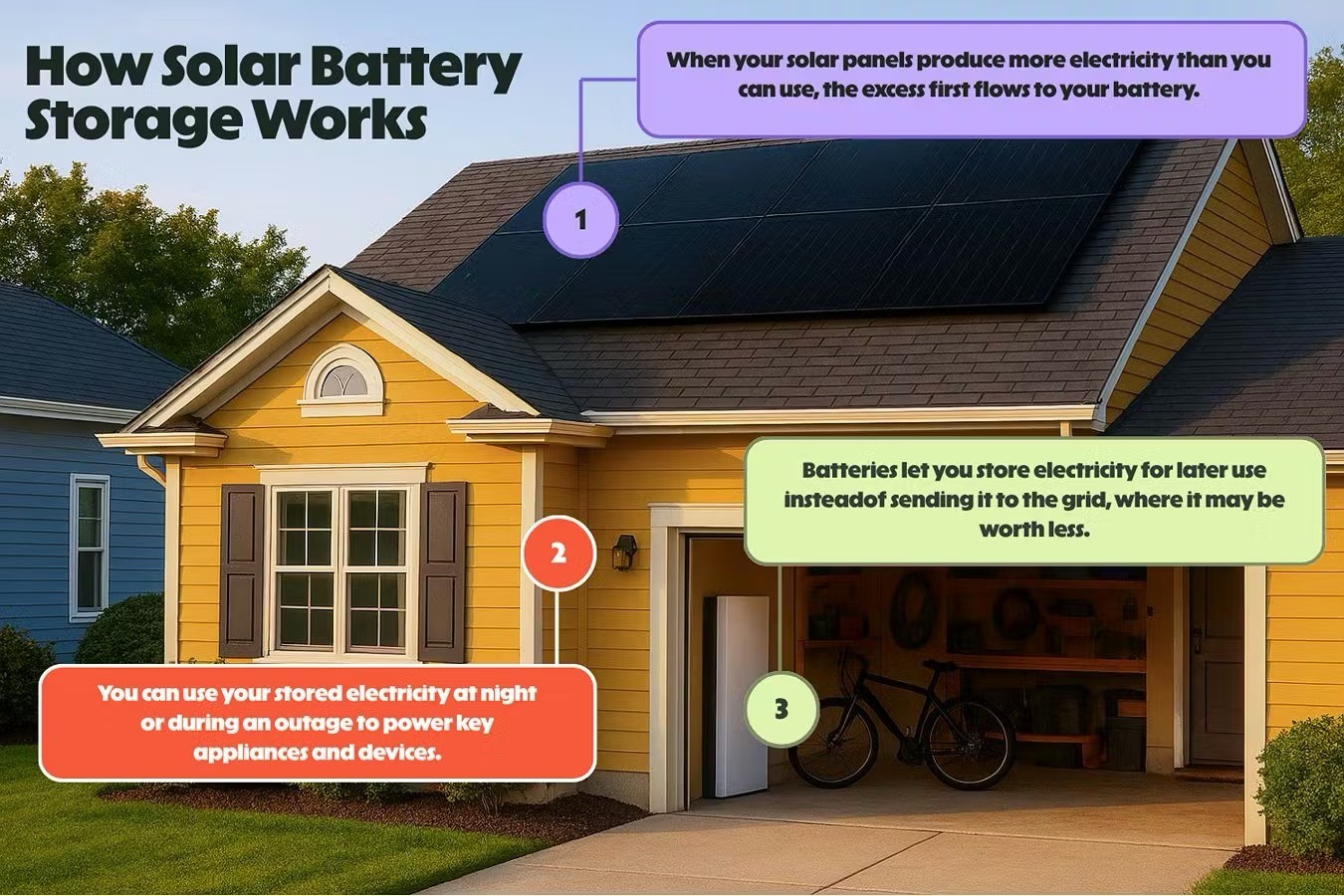
Generating electricity onsite with solar panels
Storing energy for nighttime use or outages
Reducing exposure to utility rate increases
Maintaining power during grid interruptions
Gaining control over long-term energy costs
Rather than renting electricity indefinitely, homeowners begin owning their energy production.
Why Energy Independence Matters More in Tennessee Today
Rising Power Demand Across Tennessee
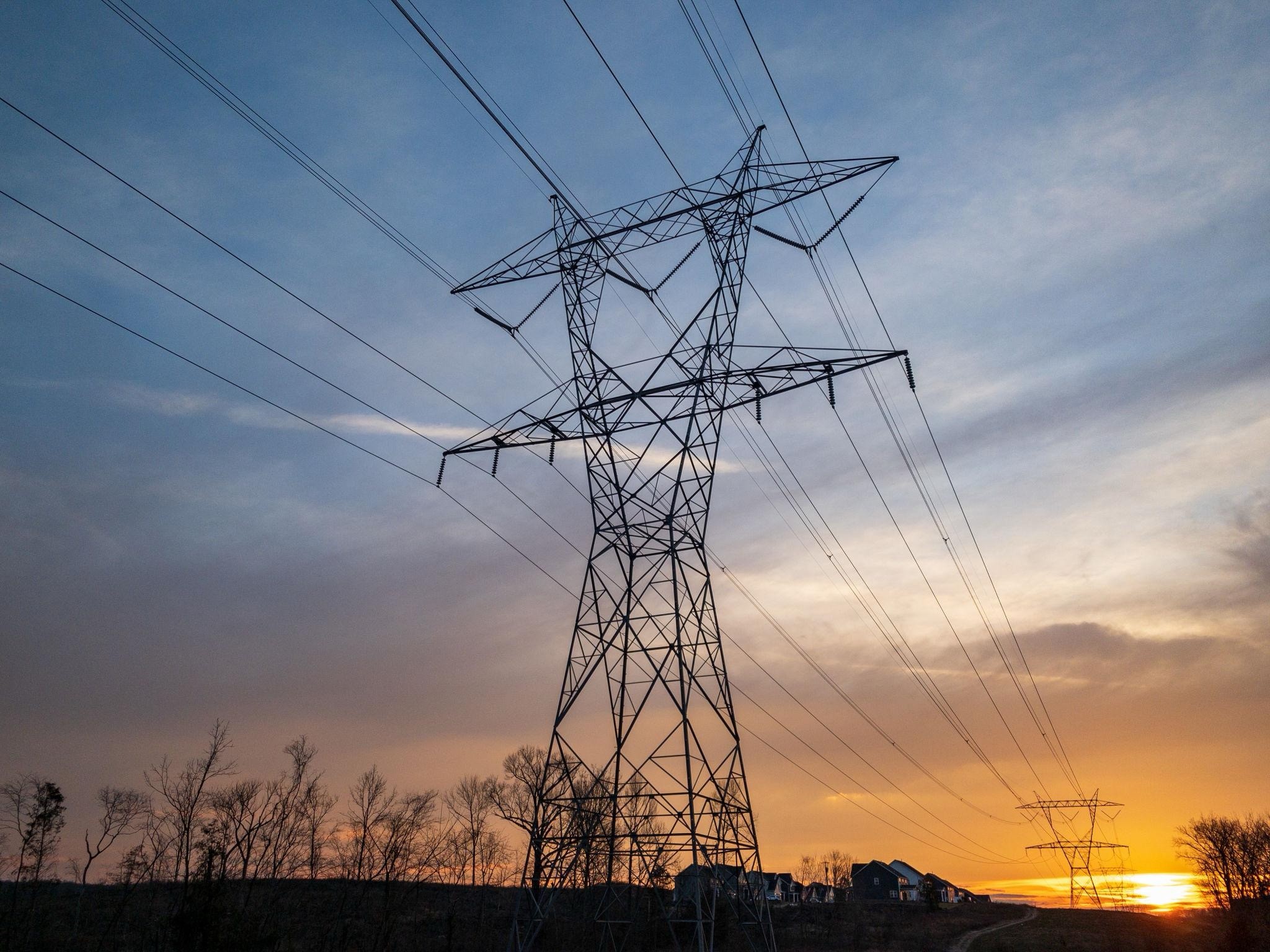
Electric vehicles, population growth, new manufacturing facilities, and expanding data centers are placing increasing strain on the Tennessee power grid. As demand grows, utilities must invest in new infrastructure — and those costs are ultimately passed on to homeowners.
Higher demand almost always leads to:
Increased electric rates
More frequent peak pricing adjustments
Greater grid stress during extreme weather
Electric Rates Are Becoming Less Predictable
Tennessee homeowners are seeing more variability in their electric bills due to fuel cost adjustments and system upgrades. What was once considered “cheap power” is becoming less consistent, making monthly budgeting harder for families and businesses alike.
Energy independence helps insulate homeowners from this volatility.
Grid Reliability Is Under Pressure
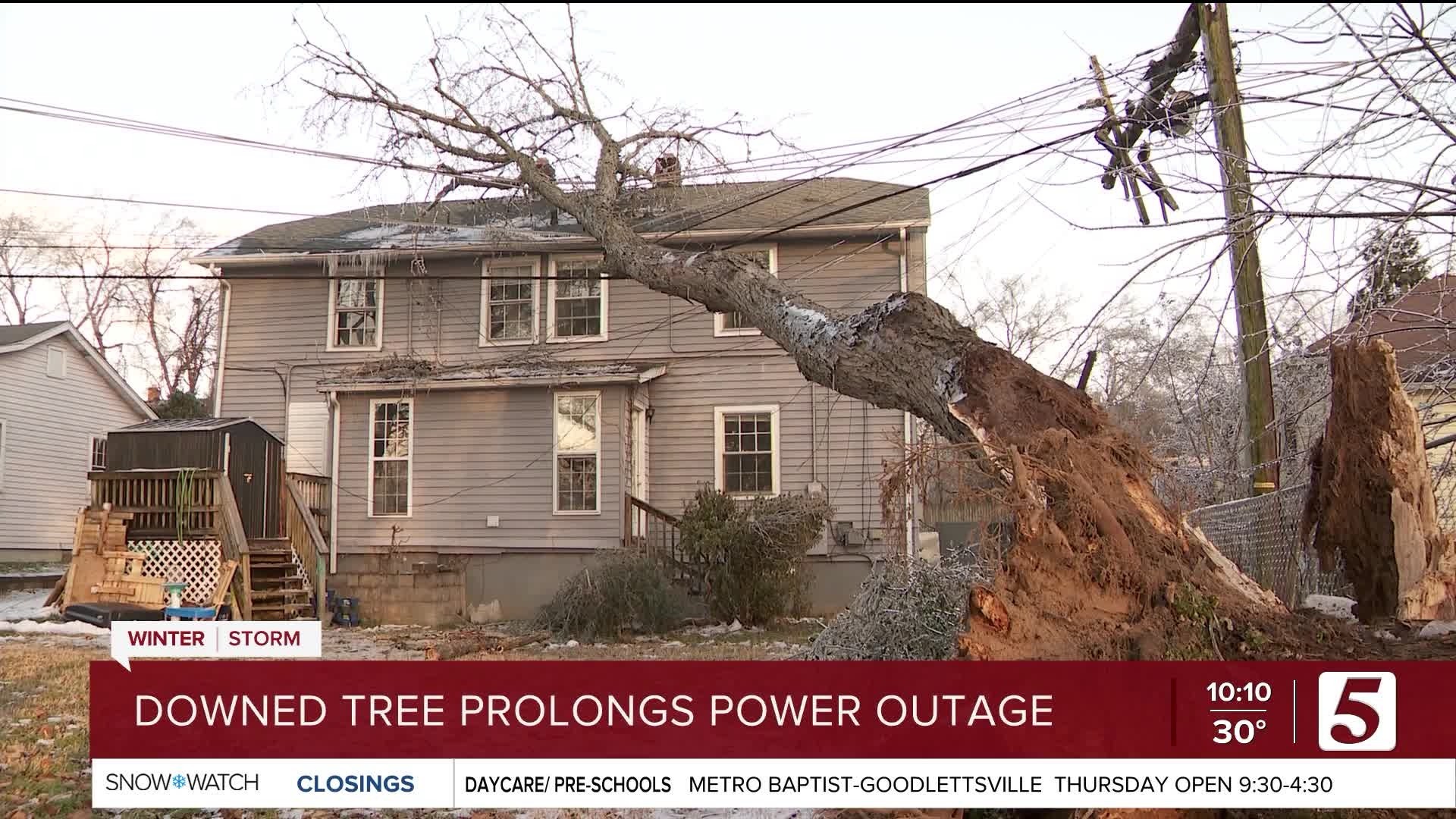
Storms, heat waves, and seasonal demand spikes are testing grid reliability across the state. Even short outages can disrupt:
Work-from-home schedules
Refrigeration and food storage
Internet and communication
Heating and cooling systems
Energy independence isn’t about fear — it’s about preparation and stability.
The Building Blocks of Energy Independence in Tennessee
Solar Power
Modern solar panels perform well in Tennessee’s climate, even during cloudy conditions. Solar allows homeowners to offset a significant portion of their electricity usage and reduce dependence on the grid during daylight hours.
Battery Storage
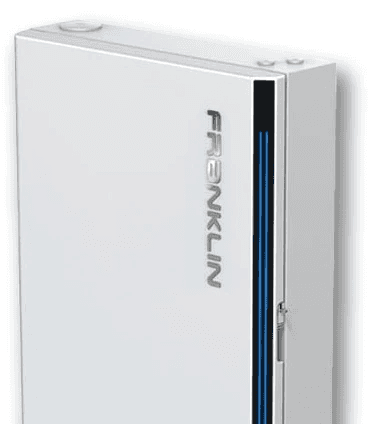
Battery systems store excess solar energy for use:
At night
During grid outages
During peak demand periods
This is what turns solar from a cost-savings tool into a true energy independence solution.
Smart Energy Management
Advanced inverters and energy management systems automatically prioritize essential loads and respond instantly when the grid goes down. Homeowners don’t need to manually intervene — the system works in the background.
Energy Independence vs. Energy Resilience
While closely related, these terms are not the same:
Energy independence focuses on reducing reliance on utility power and stabilizing long-term energy costs.
Energy resilience focuses on maintaining power during outages and emergencies.
A properly designed solar and battery system provides both.
What Energy Independence Looks Like for Tennessee Homeowners
In practical terms, energy independence can mean:
Lower and more predictable electric bills
Continued power during neighborhood outages
Protection from future rate increases
Reliable energy for essential systems
Greater confidence in your home’s infrastructure
It’s not about eliminating the grid — it’s about not being at its mercy.
Is Energy Independence Achievable in Tennessee Homes?
Yes — but system design matters.
Factors like roof orientation, household energy usage, battery capacity, and long-term goals all play a role. Cookie-cutter systems often fall short. The most successful energy-independent homes are built around how people actually live, not generic assumptions.
Local experience and proper planning make all the difference.
A Smarter Energy Future for Tennessee
Energy independence is no longer a niche concept. It’s a practical response to rising demand, aging infrastructure, and increasing energy costs across Tennessee.
For homeowners, solar and battery systems offer a way to:
Take control of energy expenses
Reduce reliance on the grid
Improve outage preparedness
Invest in long-term stability
Understanding your options is the first step toward making an informed decision.
For homeowners exploring energy independence in Tennessee, Volunteer Solar designs solar and battery systems built for real-world conditions and long-term reliability.