Why “Cheap Power” in Tennessee Is Becoming a Myth
For decades, Tennessee homeowners benefited from relatively affordable electricity. Low rates helped fuel growth, attracted industry, and kept monthly utility bills predictable.
But that era is changing.
Across Tennessee, rising power demand, infrastructure strain, and fuel cost volatility are reshaping what homeowners pay for electricity — and how reliable it is.
The idea of “cheap power” is quickly becoming a myth.
Tennessee’s Energy Landscape Is Changing
Tennessee’s electric system was built for a different time — one with fewer people, lower peak demand, and far less energy-intensive lifestyles.
Today, the grid is being pushed harder than ever.
Power Demand Is Rising Faster Than Infrastructure
Several factors are driving increased demand across the state:
Population growth in urban and suburban areas
Expansion of manufacturing and industrial facilities
Rapid adoption of electric vehicles
Growth of data centers and digital infrastructure
Increased residential energy use from remote work
When demand rises faster than generation and transmission capacity, utilities must invest heavily to keep up — and those costs don’t disappear.
Why Higher Demand Leads to Higher Electric Bills
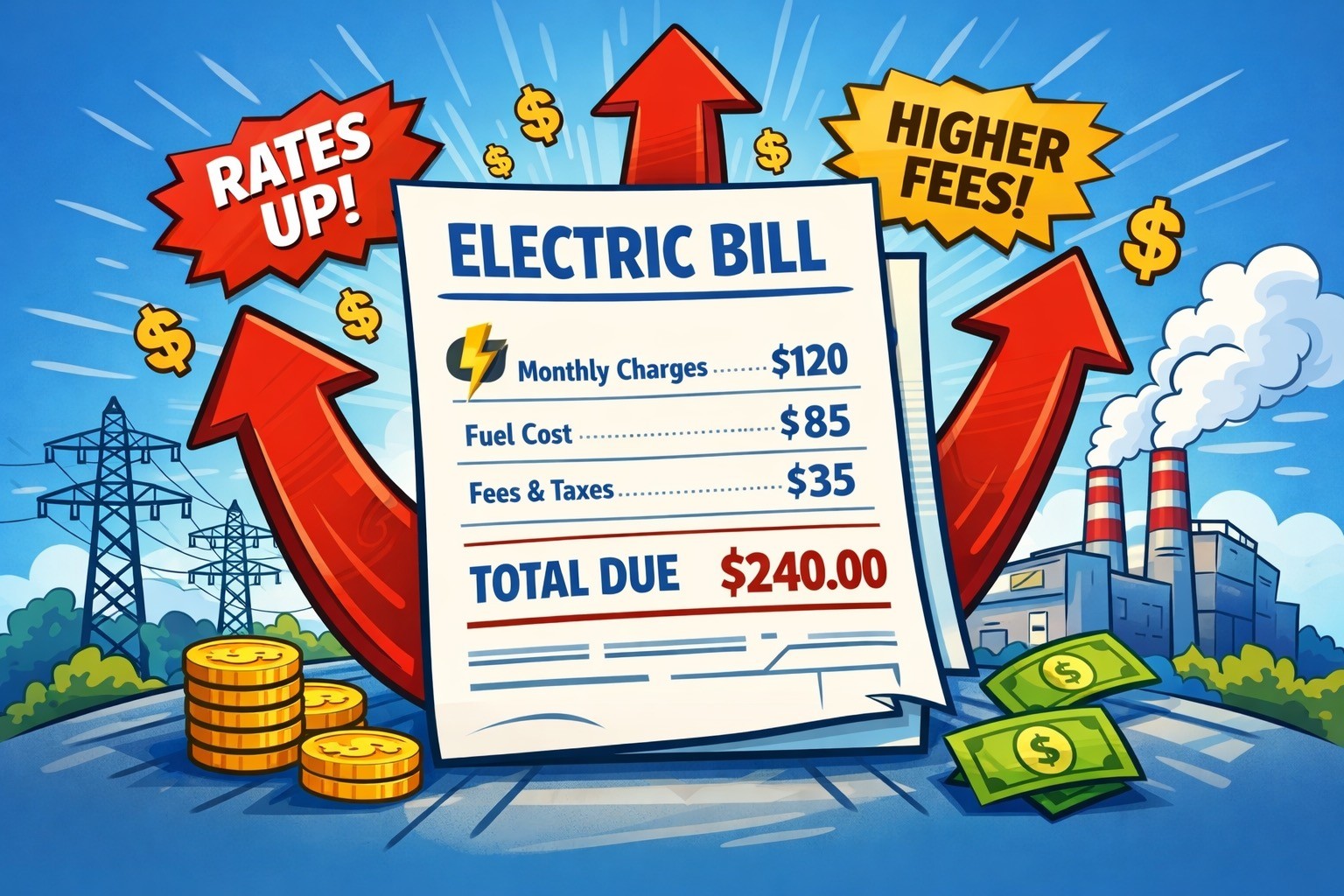
Electric utilities recover costs through rates. When expenses increase, customers eventually feel it.
Higher demand often means:
New generation facilities
Grid modernization projects
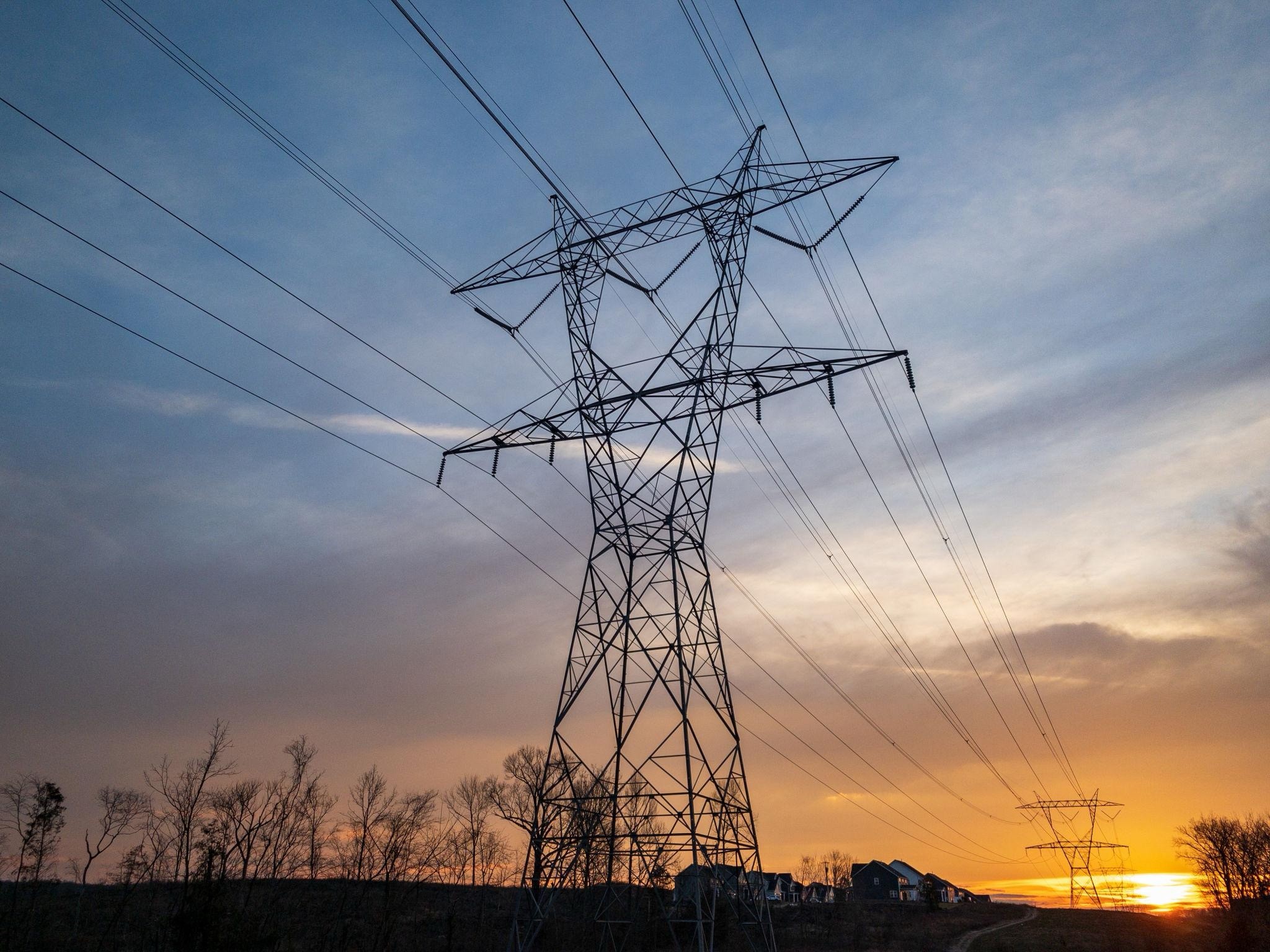
Transmission and distribution upgrades
Increased fuel purchases during peak periods
These costs are passed on through:
Rate increases
Fuel cost adjustment charges
Demand-based pricing structures
Even when base rates appear stable, monthly bills can still climb.
Fuel Costs Add Another Layer of Uncertainty
Electricity pricing in Tennessee is influenced by fuel markets, which are inherently volatile. Changes in fuel prices — driven by global supply, weather events, and geopolitical factors — directly impact what utilities pay to generate power.
For homeowners, this results in:
Less predictable monthly bills
Sudden spikes during high-demand seasons
Limited control over long-term energy costs
This uncertainty is becoming the new normal.
Grid Reliability Comes at a Cost
As demand grows, the grid operates closer to its limits, especially during:
Extreme summer heat
Winter cold snaps
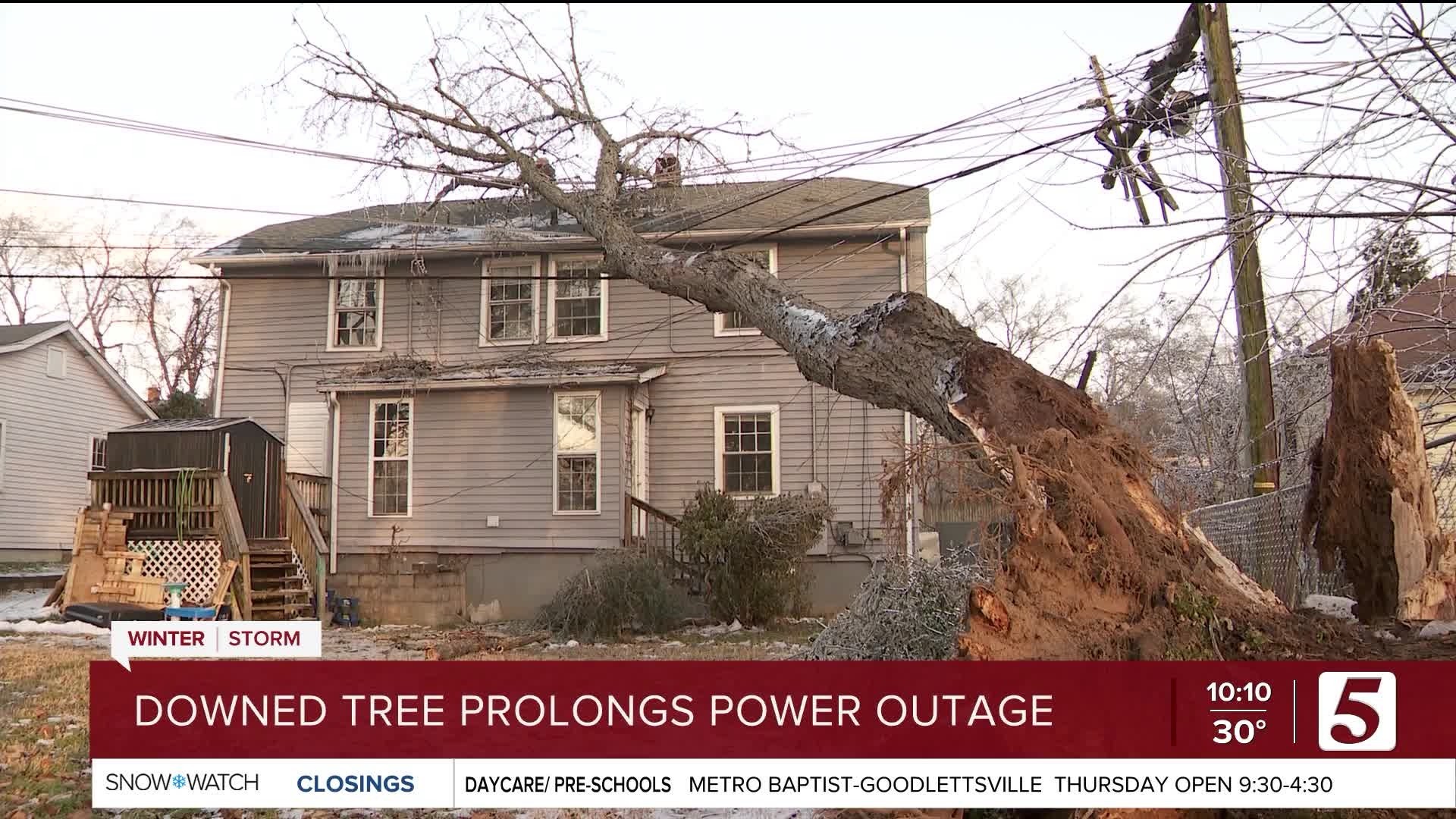
Severe storms
Maintaining reliability under these conditions requires:
Redundant systems
Emergency generation resources
Rapid infrastructure repairs
All of this adds expense — and increases the risk of outages when systems are stressed.
Why “Cheap Power” No Longer Equals Reliable Power
Low-cost electricity historically depended on:
Excess generation capacity
Predictable demand patterns
Stable fuel pricing
Those conditions no longer exist.
Today’s grid must serve a more energy-hungry population while adapting to changing weather patterns and aging infrastructure. As a result, homeowners are paying not just for electricity — but for resilience, upgrades, and future-proofing.
The Cost-Control Problem for Homeowners
Utility customers have little control over:
Rate structures
Infrastructure investments
Fuel cost adjustments
This makes long-term budgeting difficult. Homeowners may reduce usage, but they can’t avoid rising baseline costs tied to grid expansion and demand growth.
That’s why more Tennessee homeowners are exploring alternatives.
How Solar and Battery Storage Change the Equation
Solar and battery systems don’t eliminate utility power — but they reduce dependence on it.
By producing and storing energy onsite, homeowners can:
Offset a significant portion of their electric usage
Reduce exposure to rate increases
Use stored power during peak pricing periods
Maintain power during outages
This shifts energy from a recurring expense to a long-term asset.
Local Energy Control Is Becoming More Valuable
As Tennessee’s energy landscape evolves, the value of controlling how and when power is used continues to grow.
Homes with solar and battery storage gain:
More predictable energy costs
Greater resilience during grid disruptions
Reduced reliance on external factors
Long-term protection against rising demand
This isn’t about abandoning the grid — it’s about not being fully dependent on it.
A New Reality for Tennessee Power
“Cheap power” was never guaranteed forever. It was the result of conditions that no longer exist.
Today’s homeowners face:
Rising demand
Increasing infrastructure costs
Greater price volatility
Growing reliability concerns
Understanding these shifts is the first step toward making informed energy decisions.